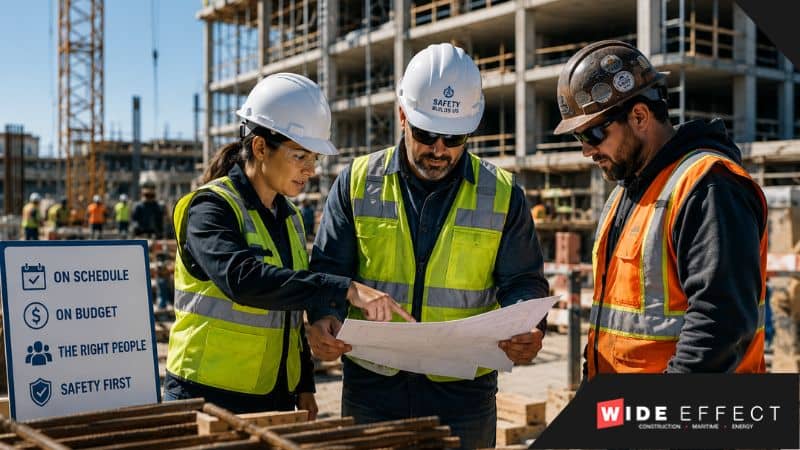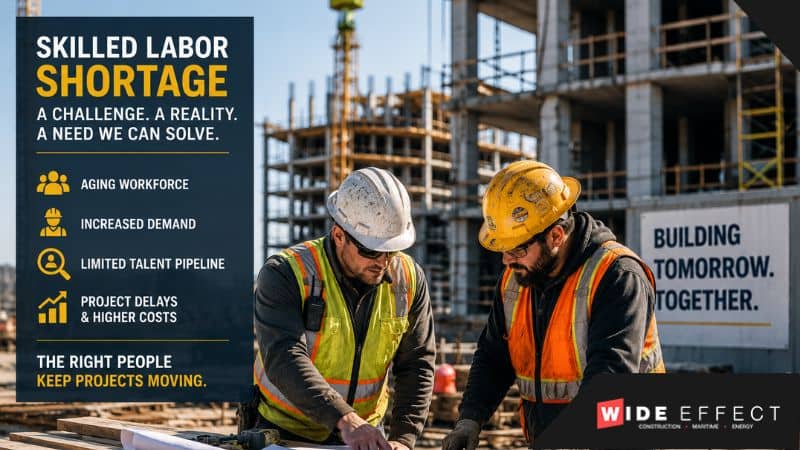

The construction labor shortage has become more than a hiring challenge—it now affects project schedules, profitability, workforce planning, and long-term business growth. As demand for skilled trades continues to outpace the available workforce, contractors face increasing pressure to secure qualified talent while keeping projects on track. Partnering with experienced Skilled Trades Staffing providers helps businesses respond more quickly to changing workforce demands and reduce the impact of labor shortages.
Understanding why the labor shortage extends beyond recruitment allows construction companies to make smarter workforce decisions. From improving project timelines and controlling labor costs to accessing qualified professionals faster, Skilled Trades Staffing services play a critical role in helping contractors remain competitive. With the right staffing strategy, businesses can strengthen their workforce, minimize disruptions, and position themselves for sustainable growth in an increasingly competitive construction industry.
The construction industry continues to face one of its greatest workforce challenges in decades. While hiring has always been an important part of running successful projects, today's labor shortage has become much more than simply filling open positions. Contractors across commercial, industrial, manufacturing, and infrastructure sectors are competing for a shrinking pool of qualified skilled trades professionals, making it increasingly difficult to maintain productivity and meet client expectations.
As experienced workers retire and fewer young professionals enter the skilled trades, construction companies are experiencing longer hiring timelines, increased labor costs, and greater pressure to keep projects fully staffed. These workforce shortages affect every stage of a project, from bidding and scheduling to execution and completion.
For many contractors, finding qualified electricians, welders, pipefitters, millwrights, ironworkers, and heavy equipment operators has become one of the biggest operational challenges they face. Even companies with strong reputations and competitive compensation packages often struggle to secure experienced workers when demand is high.
This shortage affects far more than recruitment departments. It influences project profitability, client relationships, workforce planning, and long-term business growth. Every vacant position has the potential to create scheduling conflicts, increase overtime expenses, and reduce overall productivity.
Businesses that rely solely on traditional hiring methods often find themselves reacting to labor shortages instead of preparing for them. Developing proactive workforce strategies allows companies to remain flexible when project demands change unexpectedly.
Partnering with experienced Skilled Trades Staffing providers gives contractors faster access to qualified professionals while reducing the administrative burden associated with recruiting, screening, and onboarding new workers. Rather than starting every hiring process from scratch, staffing partners maintain networks of skilled professionals who are ready to mobilize when projects require additional support.
Common factors contributing to today's labor shortage include:
The labor shortage also affects project owners and developers. Delayed staffing often results in delayed project milestones, creating ripple effects that impact suppliers, subcontractors, budgets, and client expectations. When labor becomes difficult to secure, every phase of a project becomes more challenging to manage.
Companies that recognize workforce planning as an essential business strategy are often better positioned to navigate these challenges. Rather than viewing staffing as a last-minute necessity, they integrate workforce planning into project forecasting, allowing them to respond more effectively to changing labor demands.
Understanding the broader impact of the labor shortage is the first step toward developing long-term staffing strategies that support consistent project success.
THE BUSINESS IMPACT
The effects of the labor shortage extend far beyond open job postings. Every unfilled skilled trades position has the potential to influence productivity, scheduling, profitability, safety, and customer satisfaction.
One of the most immediate impacts is project delays. Construction schedules depend on having the right workers available at the right time. When experienced tradespeople cannot be secured quickly, project timelines often shift, creating scheduling conflicts for multiple contractors working on the same site.
Delayed schedules frequently lead to increased labor costs. Companies may rely heavily on overtime or pay premium rates to secure experienced workers during periods of high demand. While these solutions may address immediate staffing gaps, they can significantly reduce overall project margins.
The bidding process is also affected. Estimating labor requirements becomes increasingly difficult when workforce availability remains uncertain. Contractors may hesitate to pursue new opportunities if they lack confidence in their ability to staff future projects successfully.
The labor shortage can also impact employee retention. Existing workers often carry additional workloads when teams remain understaffed for extended periods. Increased overtime and higher workloads may contribute to fatigue, lower morale, and eventual turnover, creating an even greater staffing challenge.
The business consequences often include:
Workforce shortages may also influence safety performance. Construction projects require experienced professionals who understand site procedures, equipment operation, and industry regulations. Consistently working with understaffed crews or relying on less experienced personnel can create additional operational risks.
Customer relationships are another important consideration. Clients expect projects to remain on schedule and within budget. Repeated staffing issues that delay completion or reduce productivity may affect contractor reputation and future business opportunities.
Administrative workloads also increase during labor shortages. Human resources teams often spend significant time advertising positions, reviewing applications, conducting interviews, verifying qualifications, and coordinating onboarding activities. These responsibilities require valuable resources that could otherwise support broader business objectives.
Companies that partner with Skilled Trades Staffing providers often reduce many of these challenges. Access to pre-screened skilled professionals allows contractors to respond more quickly to workforce demands while maintaining productivity across multiple projects.
The ability to scale workforces up or down as projects evolve provides additional flexibility in today's competitive construction environment. Instead of delaying projects while searching for qualified candidates, contractors can maintain momentum by accessing experienced trades professionals when they are needed most.
Viewing staffing as a strategic business function rather than a reactive hiring activity helps construction companies improve operational efficiency while strengthening their competitive position.
WORKFORCE STRATEGIES
Although the labor shortage presents ongoing challenges, construction companies can take meaningful steps to strengthen their workforce strategy and improve long-term stability. Successful organizations focus on planning, flexibility, and building reliable talent pipelines rather than relying solely on immediate hiring needs.
One of the most effective approaches is proactive workforce planning. By forecasting upcoming project demands and identifying potential staffing gaps early, contractors can begin recruiting before shortages begin affecting project schedules.
Developing long-term relationships with staffing partners also creates greater workforce flexibility. Rather than beginning each recruitment effort independently, contractors gain access to established talent networks capable of supplying experienced professionals across multiple skilled trades.
Retention should receive equal attention. Attracting skilled workers is important, but retaining experienced employees often provides greater long-term value. Competitive compensation, professional development opportunities, positive workplace culture, and consistent communication all contribute to stronger employee satisfaction.
Investing in training and mentorship also supports future workforce development. Experienced tradespeople possess valuable knowledge that can be passed to newer workers through structured mentorship programs. These initiatives help preserve institutional knowledge while supporting career growth.
Effective workforce strategies often include:
Technology can also improve workforce planning by helping contractors forecast labor requirements, monitor staffing levels, and identify future resource needs before shortages occur. Better visibility allows management teams to make more informed staffing decisions throughout every stage of a project.
Maintaining relationships with experienced staffing providers offers additional advantages during periods of rapid growth or unexpected project demands. Contractors can supplement existing teams with qualified professionals without compromising project schedules or quality standards.
Communication also plays a critical role. Keeping employees informed about project opportunities, career development, and organizational goals helps strengthen engagement while reducing turnover. Workers who feel valued are more likely to remain with an organization over the long term.
Building long-term relationships with educational institutions, apprenticeship programs, and industry organizations can also help contractors strengthen their future talent pipeline. Taking a proactive approach to workforce development today helps reduce hiring challenges tomorrow while supporting sustainable growth across future construction projects.
The labor shortage is unlikely to disappear overnight, but businesses that invest in proactive workforce strategies place themselves in a stronger position than those relying solely on reactive hiring practices. Building reliable staffing partnerships, supporting employee development, and planning ahead create greater resilience in an increasingly competitive market.
Construction success depends on more than winning projects—it depends on having the skilled workforce needed to complete them safely, efficiently, and on schedule. By making Skilled Trades Staffing a central part of workforce planning, contractors can reduce hiring challenges, improve operational flexibility, and position their organizations for sustainable long-term growth in an evolving construction industry.
Your skills deserve more than short-term jobs and empty promises. Wide Effect connects hardworking tradespeople to steady commercial and industrial projects where experience, certifications, and reliability are valued. From apprentices to seasoned journeymen, we match you with roles that fit your skill level and keep your career moving forward. When you’re ready for a real opportunity, we’re ready to put you to work.
The construction labor shortage can lead to project delays, higher labor costs, scheduling challenges, and increased pressure on existing crews. Having access to qualified skilled trades professionals helps contractors maintain productivity and keep projects on schedule.
Skilled Trades Staffing connects contractors with experienced professionals who are ready to support projects as workforce needs change. This allows companies to fill critical roles faster, reduce hiring delays, and improve workforce flexibility without sacrificing quality.
Contractors can strengthen their workforce by planning ahead, investing in employee retention, supporting apprenticeship and training programs, and partnering with experienced staffing providers. A proactive workforce strategy helps reduce disruptions, improve project outcomes, and support long-term business growth.
Are you experiencing productivity challenges, skill gaps in your workforce, or do you need a short-term placement? Don't waste your time and money navigating these alone. We bring the process, experience, and placement successes you need to help resolve your workforce challenges efficiently. Call us at (833) 493-5627 or use the contact form to discuss your personalized staffing solution.
By submitting this form, you opt-in and give express consent to receiving SMS/text messages, calls, and emails from us for the purposes of communication related to your inquiry or related to the products and/or services we provide.
CONSTRUCTION STAFFING | Skilled Trades Staffing | Construction Labor Shortage | Workforce Planning | Hiring Problem

We are the nation’s leading recruiting force for Construction,
Maritime, Renewable Energy, Oil & Gas, and Safety Personnel.
Whether you need labor or leadership, we deliver the talent
solutions that keep your projects moving.
Connect with our recruiters in all 50 states to access our proven staffing blueprint for success.