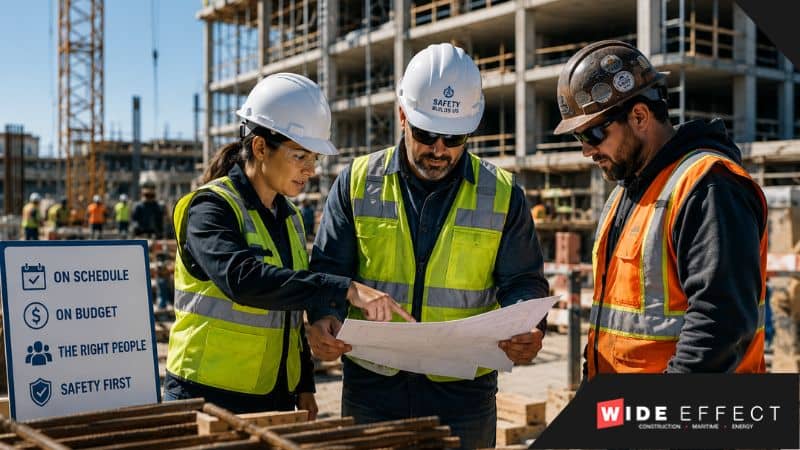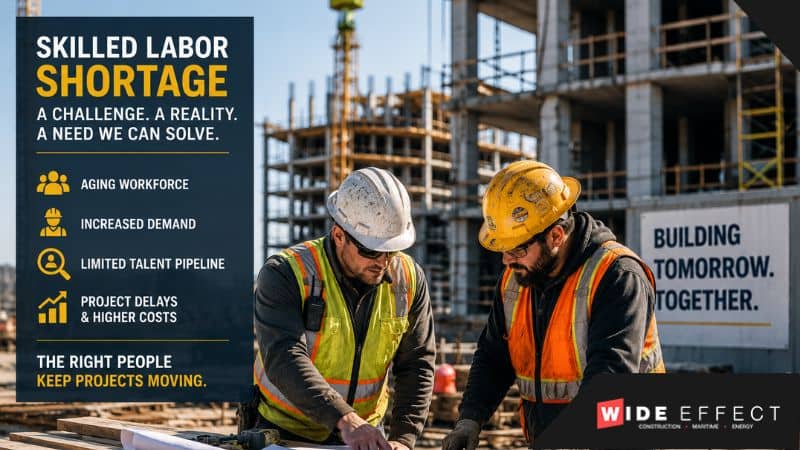

The construction industry is facing a growing workforce challenge as experienced tradespeople retire faster than they can be replaced. This retirement cliff is creating labor shortages, increasing competition for skilled workers, and making proactive workforce planning more important than ever. Partnering with a trusted Construction Staffing provider helps contractors fill critical roles, reduce hiring delays, and maintain productivity while preparing for long-term workforce changes.
Preparing for the construction retirement cliff requires more than replacing employees as they leave. Contractors need to build a reliable talent pipeline, invest in workforce development, and implement strategic hiring practices that support future growth. By leveraging Construction Staffing, construction companies can strengthen workforce continuity, access qualified skilled trades professionals, keep projects on schedule, and remain competitive in an increasingly challenging labor market. It also helps contractors reduce hiring delays, build a stronger talent pipeline, adapt to workforce changes, and confidently meet the staffing demands of all projects.
The construction industry is approaching a major workforce transition as a large percentage of experienced tradespeople near retirement. For contractors, this retirement cliff represents more than the loss of individual employees—it creates a growing challenge that affects productivity, project timelines, workforce stability, and long-term business growth. Skilled workers who have spent decades mastering their trade possess valuable knowledge that is difficult to replace quickly.
As veteran electricians, welders, carpenters, heavy equipment operators, pipefitters, and project supervisors leave the workforce, construction companies must prepare to fill critical positions while maintaining the quality and efficiency their clients expect. Unfortunately, many contractors are already experiencing labor shortages, making it increasingly difficult to recruit experienced professionals for both commercial and industrial projects.
The retirement cliff is occurring alongside rising construction demand. Infrastructure improvements, manufacturing expansion, commercial developments, and industrial projects continue creating opportunities across North America. However, without enough qualified workers entering the industry, many companies struggle to keep pace with project schedules.
One of the biggest concerns is the loss of institutional knowledge. Experienced employees often mentor younger workers, troubleshoot complex challenges, and maintain high safety standards. When these individuals retire without a succession plan, companies risk losing decades of practical expertise that cannot be learned overnight.
Preparing early allows contractors to reduce disruption while creating a more stable workforce for the future. Instead of reacting to retirements after they occur, businesses should evaluate their workforce demographics, identify critical positions, and develop hiring strategies well before vacancies appear.
Effective preparation includes:
Construction companies that proactively prepare for workforce changes are better positioned to maintain productivity while remaining competitive in a tightening labor market.
Partnering with an experienced Construction Staffing provider gives contractors access to qualified skilled trades professionals when workforce gaps occur. Rather than delaying projects because of staffing shortages, businesses can quickly secure dependable workers who are ready to contribute from day one.
Planning today helps contractors avoid larger workforce challenges tomorrow while supporting sustainable long-term growth.
WORKFORCE PLANNING
Preparing for the retirement cliff requires a long-term workforce strategy rather than simply replacing employees after they leave. Contractors should continually evaluate hiring needs, forecast future labor demands, and develop a reliable talent pipeline capable of supporting ongoing projects.
Workforce planning begins by understanding where potential shortages exist. Companies should identify departments with aging employees, determine which skills are most difficult to replace, and estimate future hiring requirements based on upcoming projects. This information helps business leaders make informed recruiting decisions before staffing shortages become critical.
Recruiting younger workers has become increasingly important. Many contractors are partnering with trade schools, apprenticeship programs, vocational institutions, and community organizations to introduce students to rewarding careers in construction. These partnerships create opportunities to develop future skilled trades professionals while strengthening the industry's workforce.
Employee retention is equally important. Keeping experienced workers engaged for a few additional years can provide valuable mentoring opportunities while easing the transition to a younger workforce. Flexible schedules, leadership opportunities, competitive compensation, and professional development programs often encourage experienced employees to remain with the company longer.
Knowledge transfer should also become a priority. Contractors can establish mentorship programs where senior tradespeople work closely with apprentices and less experienced employees. This approach preserves valuable expertise while helping newer workers develop practical skills more quickly.
Successful workforce planning often includes:
Technology also supports workforce planning. Workforce management software allows contractors to monitor staffing levels, forecast labor requirements, and improve scheduling across multiple projects. Better visibility helps companies make hiring decisions earlier while reducing the risk of labor shortages.
Working with a trusted Construction Staffing partner further strengthens workforce planning efforts. Staffing specialists can provide qualified tradespeople for short-term projects, long-term assignments, seasonal demands, or specialized positions that may be difficult to fill internally. This flexibility allows contractors to respond quickly to changing workforce needs without sacrificing project quality or productivity.
The companies that prepare well before retirements occur are often the ones that continue growing while competitors struggle to find qualified workers.
BUILDING A STRONGER FUTURE WORKFORCE
The construction industry's future depends on attracting, developing, and retaining the next generation of skilled professionals. While retirements present significant challenges, they also create opportunities for contractors to modernize their hiring strategies and build stronger, more resilient teams.
Creating an attractive workplace begins with investing in employees. Competitive wages, comprehensive benefits, career advancement opportunities, ongoing training, and positive workplace cultures all contribute to higher employee satisfaction and improved retention. Workers are more likely to stay with employers who invest in their professional growth and long-term success.
Construction companies should also promote the industry's career opportunities to younger generations. Many people are unaware of the rewarding careers available within skilled trades. Highlighting competitive salaries, career advancement, job stability, and opportunities to work on meaningful projects helps attract new talent into the workforce.
Continuous learning also plays an important role. Construction methods, technology, safety standards, and equipment continue evolving. Providing employees with regular training ensures they remain productive while preparing them for leadership positions as experienced workers retire.
Collaboration between contractors, educational institutions, industry associations, and staffing partners creates additional opportunities to strengthen the labor force. Working together helps expand apprenticeship programs, improve workforce development initiatives, and connect qualified candidates with employers more efficiently.
Contractors can strengthen their future workforce by:
A proactive hiring strategy also helps reduce project delays. Waiting until critical positions become vacant often leads to rushed hiring decisions, increased labor costs, and longer recruitment timelines. Maintaining an active recruitment pipeline allows contractors to respond quickly when staffing needs arise.
Partnering with an experienced Construction Staffing provider gives businesses additional flexibility when navigating workforce changes. Staffing experts can help identify qualified candidates, reduce hiring timelines, and provide access to skilled trades professionals who match specific project requirements. This support allows contractors to maintain productivity while adapting to changing workforce demands.
Preparing for the retirement cliff is not simply about replacing workers—it's about building a stronger organization for the future. Contractors that invest in workforce planning, employee development, succession strategies, and long-term recruitment efforts will be better positioned to overcome labor shortages while supporting continued business growth.
As experienced tradespeople retire, companies that act early will have a significant competitive advantage. By leveraging Construction Staffing, contractors can strengthen workforce continuity, reduce hiring challenges, access highly qualified professionals, and confidently prepare for the next generation of construction projects. Taking a proactive approach today ensures businesses remain productive, competitive, and ready to meet the industry's evolving workforce needs for years to come.
Your skills deserve more than short-term jobs and empty promises. Wide Effect connects hardworking tradespeople to steady commercial and industrial projects where experience, certifications, and reliability are valued. From apprentices to seasoned journeymen, we match you with roles that fit your skill level and keep your career moving forward. When you’re ready for a real opportunity, we’re ready to put you to work.
The construction retirement cliff refers to the growing number of experienced tradespeople reaching retirement age, creating skilled labor shortages across the industry. As seasoned workers leave the workforce, contractors must prepare by strengthening recruitment, workforce planning, and employee development strategies.
Construction Staffing helps contractors access qualified skilled trades professionals, reduce hiring delays, and maintain workforce continuity. Partnering with a staffing provider also supports long-term recruitment efforts, allowing businesses to adapt to labor shortages while keeping projects on schedule.
Contractors can prepare by developing succession plans, investing in apprenticeship and mentorship programs, improving employee retention, building a strong talent pipeline, and partnering with experienced staffing professionals. Taking a proactive approach helps ensure a reliable workforce and supports long-term business growth.
Are you experiencing productivity challenges, skill gaps in your workforce, or do you need a short-term placement? Don't waste your time and money navigating these alone. We bring the process, experience, and placement successes you need to help resolve your workforce challenges efficiently. Call us at (833) 493-5627 or use the contact form to discuss your personalized staffing solution.
By submitting this form, you opt-in and give express consent to receiving SMS/text messages, calls, and emails from us for the purposes of communication related to your inquiry or related to the products and/or services we provide.
CONSTRUCTION STAFFING | Skilled Trades | Workforce Planning | Retirement Cliff | Contractor Preparation

We are the nation’s leading recruiting force for Construction,
Maritime, Renewable Energy, Oil & Gas, and Safety Personnel.
Whether you need labor or leadership, we deliver the talent
solutions that keep your projects moving.
Connect with our recruiters in all 50 states to access our proven staffing blueprint for success.