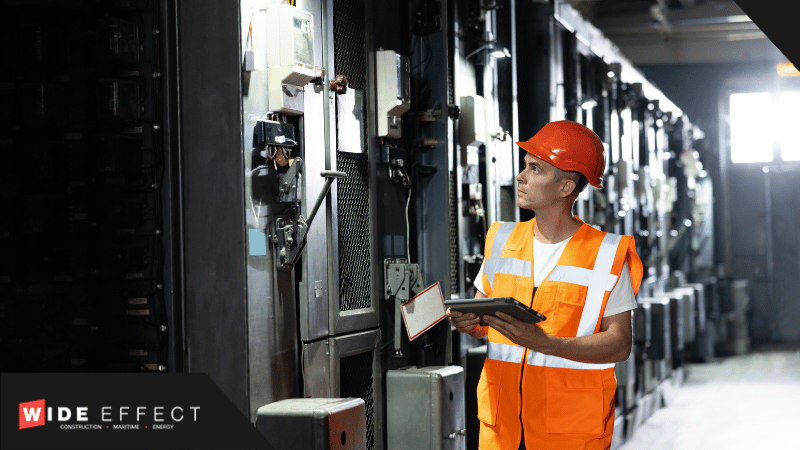

Commissioning is one of the most important phases of any data center project, and it is also one of the hardest to staff. Before a facility can go live, every electrical, mechanical, and controls system must be tested, verified, and proven to perform under real-world conditions. That work depends on commissioning engineers, commissioning agents, controls specialists, and testing technicians with deep mission-critical experience. Partnering with a trusted Data Center Staffing provider helps contractors secure this talent before commissioning delays put project handover at risk.
As data center construction accelerates nationwide, demand for experienced commissioning professionals has far outpaced supply, and many projects discover the shortage only when testing is about to begin. Competition for qualified candidates is intense. By leveraging Data Center Staffing, contractors can plan ahead, tap established talent networks, and build the teams needed to deliver facilities on time and to specification.
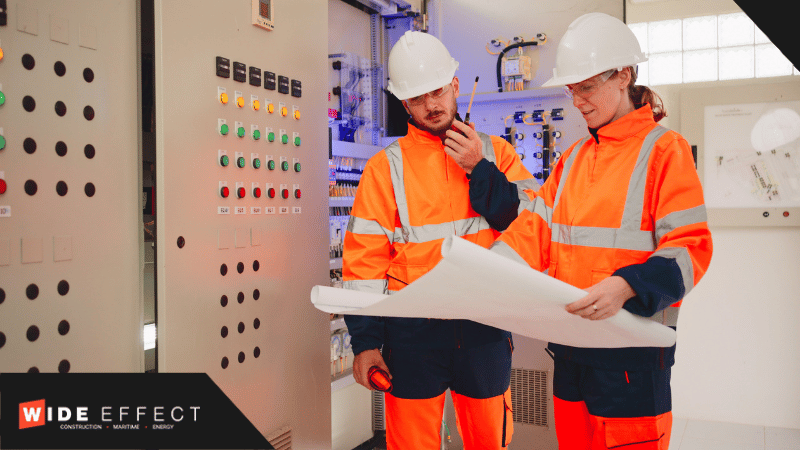
Commissioning is the final proof that a data center will do what it was designed to do. From factory witness testing through integrated systems testing, commissioning teams verify that generators, UPS systems, switchgear, cooling plants, building management systems, and fire protection systems operate correctly, both individually and together. In facilities that cannot afford a single minute of downtime, there is no margin for error.
Unlike many construction roles, commissioning requires a rare blend of skills. Professionals must understand electrical distribution, mechanical systems, controls programming, test procedures, and documentation standards. They must read complex design documents, develop and execute test scripts, troubleshoot failures under pressure, and communicate clearly with owners, engineers, and trade contractors.
This combination of technical depth and field experience takes years to develop. Most experienced commissioning professionals built their careers through progressive roles in electrical testing, controls, mechanical service, or facilities operations before moving into commissioning. As a result, the industry cannot simply train new commissioning talent overnight to meet rising demand.
Several factors are driving the commissioning talent shortage:
The impact of the shortage is felt most at the end of a project, when schedules are tightest. If commissioning teams are understaffed or inexperienced, testing can fall behind, deficiencies may go undetected, and turnover to the owner can slip. Because commissioning sits on the critical path, even short delays can affect revenue timelines for the facility owner and damage contractor relationships.
The shift toward artificial intelligence workloads has added another layer of complexity. Higher rack densities, liquid cooling, and larger power requirements mean commissioning teams must now validate systems that many professionals have only recently begun to work with. Candidates with current, high-density experience are in especially short supply, and owners increasingly expect proof of that experience before work begins.
Documentation adds yet another demand. Every test must be recorded, every deficiency tracked to closure, and every system signed off before the owner accepts the facility. Commissioning professionals who can manage this paperwork accurately while keeping field testing on pace are uncommon, and their absence often becomes visible only when turnover packages are incomplete and the handover date is already close.
Partnering with an experienced Data Center Staffing provider gives contractors access to professionals who have already proven themselves on mission-critical commissioning work. Instead of searching for talent as testing approaches, organizations can secure qualified commissioning personnel well before they are needed.
WHY COMMISSIONING ROLES ARE SO DIFFICULT TO FILL
Commissioning positions are among the most difficult roles to recruit for in data center construction. The skill set is narrow, the experience requirements are high, and the most qualified professionals are rarely looking for new work. Most are already committed to active projects and are frequently approached by competing employers.
Traditional recruiting methods often fall short. Job postings tend to attract candidates with general construction or facilities backgrounds who lack direct mission-critical commissioning experience. Screening these candidates takes time, and hiring the wrong person for a commissioning role can introduce serious risk to project quality and schedule.
Evaluating commissioning candidates also requires technical knowledge. Recruiters must understand the difference between commissioning levels, the systems a candidate has tested, the types of facilities they have worked in, and the certifications relevant to the role. Without this understanding, it is difficult to determine whether a candidate can truly perform in a live data center environment.
Commissioning roles present unique recruiting challenges:
Timing creates additional pressure. Commissioning demand rises and falls with project phases, so many contractors hesitate to hire permanent staff for work that may last only a few months. At the same time, waiting until testing begins almost guarantees a talent gap. Contractors need flexible staffing models that bring in experienced commissioning professionals exactly when the project requires them.
Location makes recruiting even harder. Many new data centers are being built in regions with little history of mission-critical construction, which means few local candidates have relevant commissioning experience. Contractors often need to bring in traveling professionals, and those individuals expect competitive pay, per diem, and a clear understanding of how long the assignment will last before they commit.
Specialized recruiters address these challenges by maintaining ongoing relationships with commissioning engineers, controls specialists, and testing technicians across the country. Because these relationships exist before a position opens, qualified candidates can be identified and engaged far more quickly than through traditional hiring methods.
Flexible engagement models also play a key role. Contingent workforce solutions, temp-to-hire placements, and Employer of Record services allow contractors to deploy commissioning talent for specific project phases without adding permanent headcount or taking on unnecessary employment risk.
Working with a trusted Data Center Staffing partner gives contractors the technical recruiting expertise, industry relationships, and flexible staffing options needed to fill commissioning roles with confidence.
CLOSING THE COMMISSIONING TALENT GAP
Solving the commissioning talent shortage requires a proactive, long-term approach. Organizations that treat commissioning staffing as an afterthought will continue to struggle, while those that plan early and invest in workforce development will gain a lasting competitive advantage.
The first step is incorporating commissioning into workforce planning from the start of a project. By forecasting when each commissioning phase will begin and which skills will be needed, contractors can begin recruiting months in advance instead of weeks. Early planning also allows time to secure candidates who are finishing assignments on other projects.
Contractors can close the commissioning talent gap through:
Developing talent from within is another important strategy. Experienced electricians, controls technicians, and mechanical service professionals already possess many of the skills commissioning requires. Structured training, mentorship from senior commissioning staff, and exposure to testing procedures can help these employees transition into commissioning roles over time.
Retention matters just as much as recruitment in this field. Commissioning professionals are in high demand, and competitors will continually try to recruit them away. Competitive pay, steady project pipelines, professional development opportunities, and a strong safety culture all help organizations keep their most valuable commissioning talent.
Knowledge transfer is also especially critical as experienced professionals approach retirement. Pairing senior commissioning engineers with developing technicians, documenting test procedures, and capturing lessons learned from past projects helps preserve expertise that would otherwise leave the organization.
Owners can help close the gap as well. Sharing commissioning schedules early, setting realistic testing durations, and aligning expectations with contractors before construction begins all reduce the pressure that leads to last-minute hiring. When owners and contractors plan commissioning together, staffing decisions improve and the entire project team benefits from a smoother path to turnover.
As investment in cloud computing, artificial intelligence, and digital infrastructure continues to grow, demand for skilled commissioning professionals will remain strong for years to come. Organizations that plan ahead, develop their people, and build reliable talent pipelines will be best positioned to deliver projects on schedule.
Partnering with an experienced Data Center Staffing provider allows contractors to access proven commissioning talent while strengthening their long-term workforce strategy. By combining proactive recruiting, flexible staffing models, and continuous workforce development, organizations can overcome the commissioning talent shortage and deliver mission-critical facilities that perform exactly as designed.
Data center commissioning is the process of testing and verifying that a facility's electrical, mechanical, controls, and life safety systems perform as designed. It typically progresses from equipment-level testing through integrated systems testing, ensuring the facility can operate reliably before it goes live.
Commissioning requires years of hands-on experience across electrical, mechanical, and controls systems, which limits the number of qualified professionals. Rapid data center growth, increasingly complex systems, and industry retirements have created demand that far exceeds the available talent pool.
Data Center Staffing gives contractors access to experienced commissioning engineers, controls specialists, and testing technicians through established industry networks. Flexible staffing models allow organizations to deploy commissioning talent for specific project phases, reducing delays and keeping handover schedules on track.
Are you experiencing productivity challenges, skill gaps in your workforce, or do you need a short-term placement? Don't waste your time and money navigating these alone. We bring the process, experience, and placement successes you need to help resolve your workforce challenges efficiently. Call us at (833) 493-5627 or use the contact form to discuss your personalized staffing solution.
By submitting this form, you opt-in and give express consent to receiving SMS/text messages, calls, and emails from us for the purposes of communication related to your inquiry or related to the products and/or services we provide.
DATA CENTER | COMMISSIONING | TALENT SHORTAGE | MISSION-CRITICAL HIRING | WORKFORCE PLANNING

We are the nation’s leading recruiting force for Construction,
Maritime, Renewable Energy, Oil & Gas, and Safety Personnel.
Whether you need labor or leadership, we deliver the talent
solutions that keep your projects moving.
Connect with our recruiters in all 50 states to access our proven staffing blueprint for success.