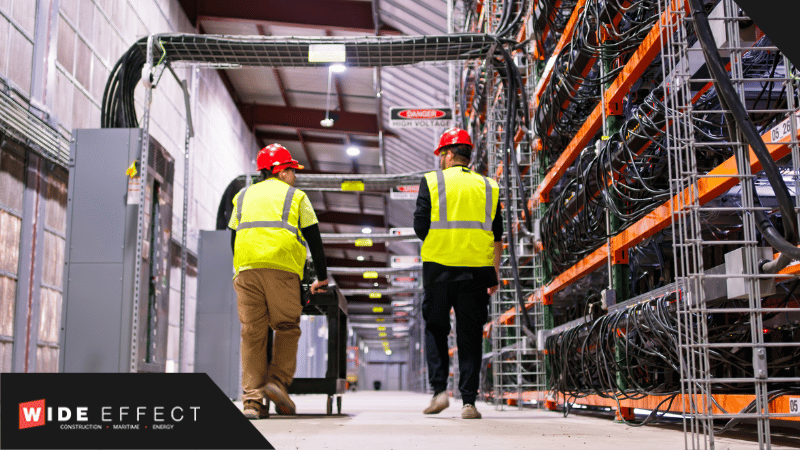
Hyperscale data center projects are transforming the way contractors recruit, manage, and deploy skilled professionals. As demand for cloud computing, artificial intelligence, and large-scale digital infrastructure continues to grow, organizations need experienced electricians, HVAC technicians, controls specialists, project managers, and commissioning experts to keep complex projects on schedule. Partnering with a trusted Data Center Staffing provider helps businesses secure qualified talent, improve workforce planning, and maintain productivity throughout every stage of hyperscale construction.
Successfully supporting hyperscale development requires more than traditional hiring practices. Contractors need proactive workforce planning, scalable talent pipelines, flexible staffing strategies, and access to professionals with mission-critical experience. By leveraging Data Center Staffing, businesses can strengthen workforce flexibility, reduce hiring delays, improve project execution, and confidently meet the increasing demand for hyperscale data center construction.
Hyperscale data center projects are reshaping the construction industry by driving unprecedented demand for skilled labor and changing how contractors approach workforce planning. As cloud computing, artificial intelligence, edge computing, and enterprise digital transformation continue accelerating, technology companies are investing billions of dollars into large-scale data center developments. These facilities require thousands of skilled workers throughout planning, construction, commissioning, and ongoing expansion, creating new challenges for contractors responsible for delivering projects on aggressive schedules.
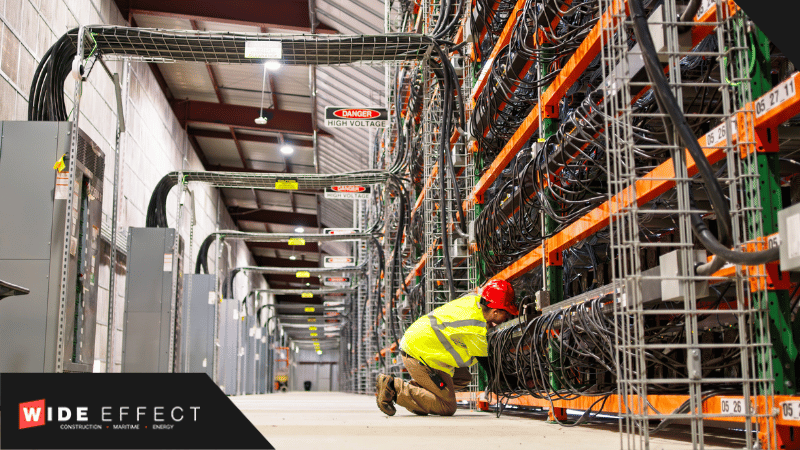
Unlike traditional commercial construction projects, hyperscale facilities involve complex electrical systems, advanced cooling infrastructure, backup power generation, automation controls, structured cabling, and mission-critical mechanical equipment. Every component must operate with maximum reliability because these facilities support essential digital services used around the world.
Building a hyperscale facility requires experienced professionals across numerous disciplines, including electricians, HVAC technicians, controls specialists, commissioning engineers, project managers, low-voltage installers, and mechanical trades. Each trade plays a critical role, and shortages in any one area can delay project milestones and increase construction costs.
Several factors are driving the rapid growth of hyperscale projects, including:
The scale of these developments has dramatically increased hiring competition. Contractors are no longer competing only with local construction companies. Manufacturing facilities, semiconductor plants, renewable energy developments, healthcare projects, and industrial construction all require many of the same skilled professionals. Experienced electricians, commissioning specialists, and mechanical trades often receive multiple job offers, making recruitment increasingly challenging.
Project schedules have also become more demanding. Many hyperscale owners require facilities to be completed within strict timelines to support expanding customer demand and technology deployments. Contractors must mobilize large teams quickly while maintaining productivity, quality, and safety standards throughout construction.
Because hyperscale projects frequently occur simultaneously across multiple regions, workforce availability has become one of the industry's greatest concerns. Contractors that cannot secure qualified professionals early may experience delays, increased overtime expenses, and scheduling conflicts that affect overall project performance.
Partnering with an experienced Data Center Staffing provider allows contractors to respond more effectively to these workforce challenges. Rather than relying solely on traditional hiring methods, staffing specialists provide access to qualified professionals with mission-critical experience, helping businesses maintain project momentum while improving workforce flexibility.
WORKFORCE PLANNING
The growing complexity of hyperscale construction has transformed workforce planning from a support function into a critical business strategy. Contractors must now forecast labor requirements months before projects begin while preparing for changing schedules, expanding scopes of work, and increased competition for specialized talent.
Effective workforce planning begins long before construction starts. Project managers, estimators, operations leaders, and recruiting teams must collaborate to determine future staffing requirements based on project schedules, regional labor availability, and anticipated hiring challenges. Early planning helps reduce recruitment delays while improving workforce stability.
Successful workforce planning includes:
Recruitment alone is no longer enough to support hyperscale construction. Contractors must also focus on retaining experienced professionals already within their organizations. Skilled electricians, controls specialists, commissioning engineers, and project managers possess valuable technical expertise that directly impacts project quality and productivity. Losing these professionals often results in additional hiring costs and reduced operational efficiency.
Technology is also changing workforce planning. Labor forecasting software, workforce analytics, scheduling platforms, and applicant tracking systems help contractors identify future staffing needs while improving hiring accuracy. These tools allow businesses to make informed workforce decisions before shortages affect active projects.
Communication between departments has become equally important. Estimating teams, operations managers, project leaders, and recruiters benefit from sharing workforce projections throughout every stage of project planning. Earlier visibility into future labor requirements gives recruiting teams additional time to identify qualified candidates while reducing last-minute hiring challenges.
Flexibility has also become essential. Hyperscale construction schedules frequently change as project owners accelerate deployment timelines or expand facility capacity. Contractors with scalable workforce strategies can quickly respond to these changes without disrupting productivity or delaying project milestones.
Working with a trusted Data Center Staffing partner further strengthens workforce planning by providing access to specialized professionals during periods of peak demand. Staffing partners maintain networks of experienced mission-critical professionals who can support projects while helping contractors reduce hiring timelines and maintain workforce continuity.
Rather than treating hiring as a reactive process, leading contractors integrate workforce planning into every phase of project management, allowing them to better support large-scale hyperscale developments.
BUILDING THE TALENT PIPELINE
Meeting future demand for hyperscale construction requires more than filling today's open positions. Contractors must develop sustainable workforce strategies that strengthen their talent pipeline while preparing the next generation of skilled professionals for increasingly complex projects.
Building a reliable workforce begins with investing in education, training, and mentorship. Apprenticeship programs provide valuable opportunities for newer professionals to learn from experienced electricians, HVAC technicians, commissioning engineers, and controls specialists. These programs help preserve technical expertise while preparing future workers for mission-critical construction environments.
Contractors can strengthen their workforce by:
Continuing education has also become increasingly important. As hyperscale facilities adopt more advanced electrical systems, cooling technologies, automation platforms, and energy-efficient infrastructure, skilled professionals must continuously update their technical knowledge. Ongoing training helps workers remain productive while improving overall project quality.
Leadership development is another essential investment. Experienced supervisors, project managers, and field leaders provide guidance that improves communication, strengthens safety performance, and supports successful project delivery. Developing future leaders helps organizations prepare for workforce retirements while maintaining long-term operational stability.
Creating a strong employer brand also improves recruitment. Skilled professionals often evaluate employers based on career growth opportunities, workplace safety, organizational culture, project quality, and long-term stability in addition to compensation. Contractors recognized for investing in their employees frequently experience stronger retention and attract higher-quality candidates.
Regional workforce planning will continue becoming more important as hyperscale projects expand into new markets. Contractors that understand local labor availability, demographic trends, retirement projections, and regional workforce development initiatives will be better positioned to secure qualified professionals before projects begin.
Strategic partnerships also play an important role in workforce development. Collaborating with trade schools, technical colleges, industry organizations, and specialized staffing providers helps contractors strengthen recruitment efforts while improving access to experienced professionals across multiple markets.
As investments in artificial intelligence, cloud computing, enterprise technology, and digital infrastructure continue accelerating, demand for skilled mission-critical professionals will remain strong. Organizations that proactively invest in workforce development today will gain a competitive advantage as hyperscale construction continues expanding.
Partnering with an experienced Data Center Staffing provider gives contractors immediate access to qualified professionals while supporting long-term workforce planning and talent development. Staffing specialists help businesses reduce hiring delays, improve workforce flexibility, strengthen recruitment strategies, and maintain productivity across complex hyperscale projects.
The most successful contractors recognize that workforce planning is no longer just about filling vacancies. By combining proactive recruitment, employee retention, leadership development, apprenticeship programs, workforce forecasting, and Data Center Staffing, businesses can build resilient teams capable of supporting the continued growth of hyperscale data center construction while maintaining consistent project performance and long-term success.
Wide Effect delivers end-to-end staffing solutions designed to support complex, labor-intensive, and high-accountability environments. From direct-hire and temp-to-hire recruiting to contingent workforce management, Employer of Record, payroll funding, managed services, and workforce optimization, we provide the infrastructure organizations need to hire, deploy, and manage talent with confidence. Our solutions reduce employment risk, protect cash flow, and ensure regulatory compliance while maintaining operational control. Built for construction, energy, maritime, manufacturing, and safety-driven industries, Wide Effect enables scalable workforce execution across the United States.
Data Center Staffing provides contractors with access to experienced professionals who understand mission-critical environments. By partnering with a specialized staffing provider, businesses can strengthen their talent pipeline, improve workforce flexibility, reduce recruitment challenges, and confidently support the growing demand for hyperscale data center construction.
Hyperscale projects require large numbers of electricians, HVAC technicians, controls specialists, commissioning engineers, and project managers working simultaneously. Effective workforce planning helps contractors anticipate labor needs, reduce hiring delays, improve productivity, and keep complex projects on schedule.
Hyperscale data center projects are large-scale facilities built to support cloud computing, artificial intelligence, enterprise applications, and other high-demand digital services. These projects require significant infrastructure, specialized skilled trades, and carefully planned workforce strategies to meet aggressive construction timelines.
Are you experiencing productivity challenges, skill gaps in your workforce, or do you need a short-term placement? Don't waste your time and money navigating these alone. We bring the process, experience, and placement successes you need to help resolve your workforce challenges efficiently. Call us at (833) 493-5627 or use the contact form to discuss your personalized staffing solution.
By submitting this form, you opt-in and give express consent to receiving SMS/text messages, calls, and emails from us for the purposes of communication related to your inquiry or related to the products and/or services we provide.
DATA CENTER | HYPERSCALE PROJECTS | WORKFORCE PLANNING | MISSION CRITICAL | TALENT STRATEGY

We are the nation’s leading recruiting force for Construction,
Maritime, Renewable Energy, Oil & Gas, and Safety Personnel.
Whether you need labor or leadership, we deliver the talent
solutions that keep your projects moving.
Connect with our recruiters in all 50 states to access our proven staffing blueprint for success.